
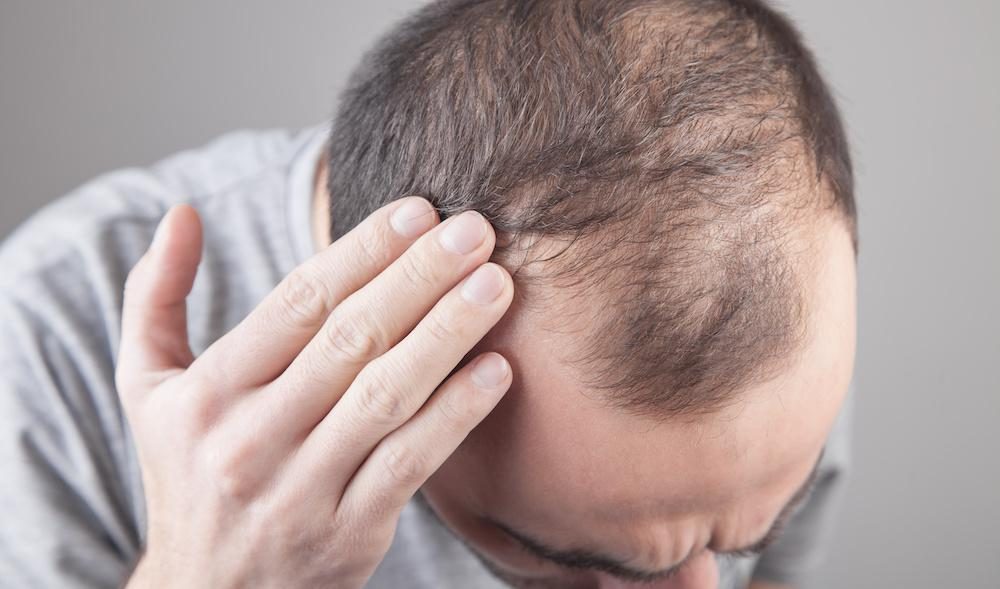
If you’ve ever scrolled through fitness forums or scanned supplement aisles, you’ve likely seen the warning: “Creatine causes hair loss.” That line makes a lot of people pause before adding one of the most researched performance supplements to their stack. So — does creatine cause hair loss? Short answer: the evidence does not support a clear causal link, but there are some nuances worth understanding. Let’s walk through the science, what it means for you, and smart ways to use creatine without unnecessary worry.
Quick TL;DR (if you’re in a rush)
- One small, short-term study reported an increase in DHT (a hormone linked to male-pattern hair loss) after a creatine loading phase.
- Larger and more recent trials have not replicated harmful effects on DHT or hair health. A 12-week randomized controlled trial found no effect on DHT or hair parameters.
- Major reviews and clinical resources consider creatine generally safe and do not list hair loss as a confirmed side effect.
- If you’re genetically sensitive to DHT (pattern baldness), DHT is a key driver — but a temporary DHT bump isn’t the same as proven, long-term hair loss.
How the “creatine → hair loss” myth started
The origin story is simple: a widely-cited 2009 study of college rugby players measured sex hormones before and after a short creatine protocol and reported a notable rise in dihydrotestosterone (DHT) after a 7-day loading period. Because DHT is strongly associated with androgenetic (pattern) hair loss, many people connected dots and concluded creatine causes baldness.
Important caveats about that study: it was small, short-term, and measured hormones (not hair loss itself). Supplements in the wild can also be contaminated or vary in purity — so one signal from one small cohort isn’t a verdict.
What higher-quality evidence shows
Science values replication. Since 2009, multiple studies examined creatine’s hormonal effects; most did not reproduce a meaningful, sustained DHT increase. The most relevant recent piece is a 12-week randomized controlled trial that directly measured hormone levels and hair parameters — it found no significant differences in DHT, DHT:testosterone ratio, or hair growth measures between creatine and placebo groups.
Systematic reviews and expert summaries conclude that there’s no convincing evidence that creatine causes hair loss in otherwise healthy users, though long-term data remain limited compared with the extensive short-term safety literature.
Why DHT matters — and why it doesn’t close the case
DHT (dihydrotestosterone) is a potent androgen formed from testosterone via 5α-reductase. In people genetically predisposed to androgenetic alopecia, DHT binds follicle androgen receptors and promotes follicle miniaturization — the biological backbone of “male-pattern” or “female-pattern” hair loss. That’s why anti-androgenic drugs (like finasteride) work by lowering DHT.
But three important points:
- Genetics are primary. Without a genetic predisposition, DHT changes are far less likely to produce patterned hair loss.
- Magnitude and duration matter. A short-term hormone blip is not the same as chronic elevation over years. The 2009 study showed a transient rise during loading; later work hasn’t shown sustained DHT increases with standard dosing.
- Serum DHT ≠ scalp DHT. Circulating hormone levels may not perfectly reflect local scalp androgen activity — the biology is more complicated than “blood number = hair outcome.”
Evidence at a glance — quick comparison table
| Study / Source | Design | Key Finding | What it means |
|---|---|---|---|
| van der Merwe et al., 2009 | Small, short-term (loading + maintenance) in male rugby players | Increase in serum DHT after loading | Sparked the hypothesis/concern (hormone measured, not hair). |
| 12-week randomized controlled trial (2024–25) | RCT measuring hormones + hair parameters | No significant effect on DHT or hair measures vs placebo | Stronger evidence that typical creatine dosing doesn’t drive hair loss. |
| NIH review & clinical resources | Review of safety & myths | Creatine not reliably linked to hair loss; generally safe in recommended doses | Trusted overview for clinicians and consumers. |
Practical takeaways (for gym-goers and hair-conscious folks)
- Standard dosing is low risk: Most users take 3–5 g/day. Evidence does not show this causes hair loss.
- If you’re hairline-sensitive: avoid high-dose loading (e.g., 20 g/day for a week) if you’re worried — the one DHT signal came from a loading protocol. Use a steady 3–5 g/day maintenance approach instead.
- Know your family history: If close relatives experienced early pattern baldness, your genetic risk is higher. In that case, monitor changes and talk to a dermatologist before starting any supplement.
- Quality matters: Choose third-party tested creatine monohydrate (Creapure, NSF, Informed-Sport) to reduce contamination or adulteration risk.
- Track, don’t panic: If you start creatine and notice increased shedding, document timing and consult a clinician — hair shedding can have many causes (stress, diet, illness, telogen effluvium) unrelated to creatine.
What about women and younger users?
Most research was done in young men. The hormonal milieu differs in women, and female pattern hair loss has a more complex relationship with androgens. If you’re a woman or under 18, consider discussing creatine with a healthcare provider; for teens, parental involvement and medical advice is wise. Reviews emphasize creatine’s overall safety in many groups, but the hair-loss question is less studied in women.
Conclusion
Current research does not prove that creatine causes hair loss. A single small study raised a plausible mechanism (a transient DHT bump during high-dose loading), but more rigorous follow-up research — including randomized controlled trials and clinical reviews — hasn’t shown a consistent or clinically meaningful connection. That said, if you have strong genetic risk for pattern baldness, or you dislike uncertainty, skip aggressive loading phases and use a standard 3–5 g/day regimen with a reputable product, and check with a dermatologist if you notice real changes.